
copy link
2 MINS READ
i moved to the happiest country in the world, and here’s what i discovered
10 lessons in user experience

on september 18, 2024, i arrived in helsinki late at night and reached vaasa, ostrobothnia early the next morning. over the following days and weeks, i experienced many changes — weather, food, lifestyle, you name it.
they call it “culture shock,” especially since this was my first time travelling outside africa.
however, this post isn’t about behavioural differences, as most discussions on culture shock tend to be. instead, i want to focus on an often-overlooked aspect — user experience (ux).
what is user experience?
user experience (ux) refers to the overall experience a person has when interacting with a product, service, or system, particularly in terms of ease and satisfaction.
for example, a well-designed coffee maker has simple buttons, clear instructions and labelling, allowing you to brew a cup of coffee without frustration. i’d mention that you get a user manual for a new purchase, but let’s be honest: “who actually reads those?”
user experience in finland
there is great thought put into how people navigate spaces, access services, and interact with their surroundings. here are some aspects of ux that stood out to me, in no particular order.
1. traffic
there is an abundance of traffic signs and road markings — arguably, even too many. speed limits are boldly displayed on every road and at every turn, making them impossible to miss. if you drive a car with built-in cameras and modern technology, it detects and displays the speed limits on your dashboard.
2. housing
i’ve only been in three homes since my arrival, but one feature has been consistent: plate racks are always positioned directly above the sink. this allows water to drip back into the sink after washing, eliminating mess.
back in nigeria, i often wondered why this wasn’t the norm. i assumed there were structural or technical constraints. turns out, there aren’t — my instincts were right all along.
3. accessibility
i quickly noticed that the first few parking spaces near venues are reserved for disabled visitors — usually one or two spots. you can probably already tell why — they wouldn’t have to travel long distances to access and exit the venue. this is common at hospitals, banks, and public institutions.
4. food and groceries
bottle caps are designed to stay attached, even if you try to yank them off. at first, i assumed it was to help users reseal their drinks if unfinished — and that might still be part of it. but this trended on x/twitter a few months ago, and it turns out it’s actually a european regulation, mainly tied to circular economy goals and sustainability.
also, eggs have expiry dates printed directly on them, not just on the cartons/crates. you cannot have a bad day from eating a bad egg.
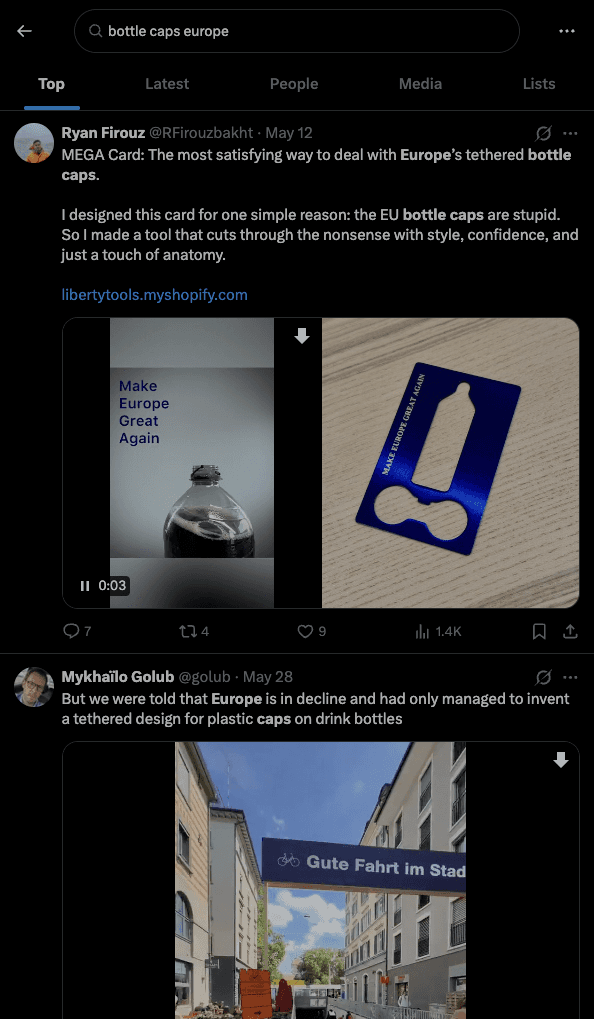
just search “bottle caps in europe” on x/twitter
5. building and construction
i noticed that most buildings are not made of cement blocks like in nigeria. after asking around, i found out that the materials used are chosen for their ability to retain heat, making homes feel warmer despite freezing temperatures outside.
6. environment
there are trees almost everywhere. while this aligns with the country’s eco-conscious lifestyle, it also enhances air quality. and let’s be honest — who wouldn’t feel happier surrounded by nature?
7. visibility in winter
during winter, days are shorter, nights are longer, and visibility is poor. reflectors — small pieces of glass or metal that reflect light — are incorporated into clothing to make pedestrians more visible.
you’ll also find them on road edges to help drivers stay in their lanes and avoid accidents.
8. public transport
buses and trains run on a strict schedule, and they actually follow it, save for a few minute delays on bad weather days. there’s no need to second-guess when your ride will arrive because digital displays at stops show real-time updates. plus, public transport is designed to be intuitive — routes are well-marked, and tickets can be purchased easily through mobile apps.
9. waste management
finland takes waste disposal seriously. recycling bins are clearly labeled for different materials (bio, metals, bottles and paper/combustibles) and many apartments have an efficient waste separation system. the overall process makes it easy for residents to contribute to sustainability.
10. digital services
nearly everything can be done online, from booking doctor’s appointments to accessing government services and handling official documents, saving you from long, frustrating queues. even things like getting a kela card (finland’s social security card) are fully digital: i applied online and had it delivered straight to my doorstep, without ever leaving home.
conclusion
experiencing finland’s approach to user experience has been eye-opening. from everyday household design to public infrastructure, the emphasis on functionality and efficiency is evident.
it makes me wonder — how much of our overall happiness is influenced by well-thought-out and designed systems? could a country’s ux contribute to its global happiness ranking?
i believe so. finland’s attention to detail in everyday experiences, big and small, fosters a smoother, less stressful life. and when daily friction is minimized, there’s more room for joy.
what do you think? does good ux contribute to happiness?
originally published in the design quest newsletter on linkedin, march 1, 2025. updated july 8, 2025.