
copy link
2 MINS READ
first-time event host?
here are 13 things you need to be successful
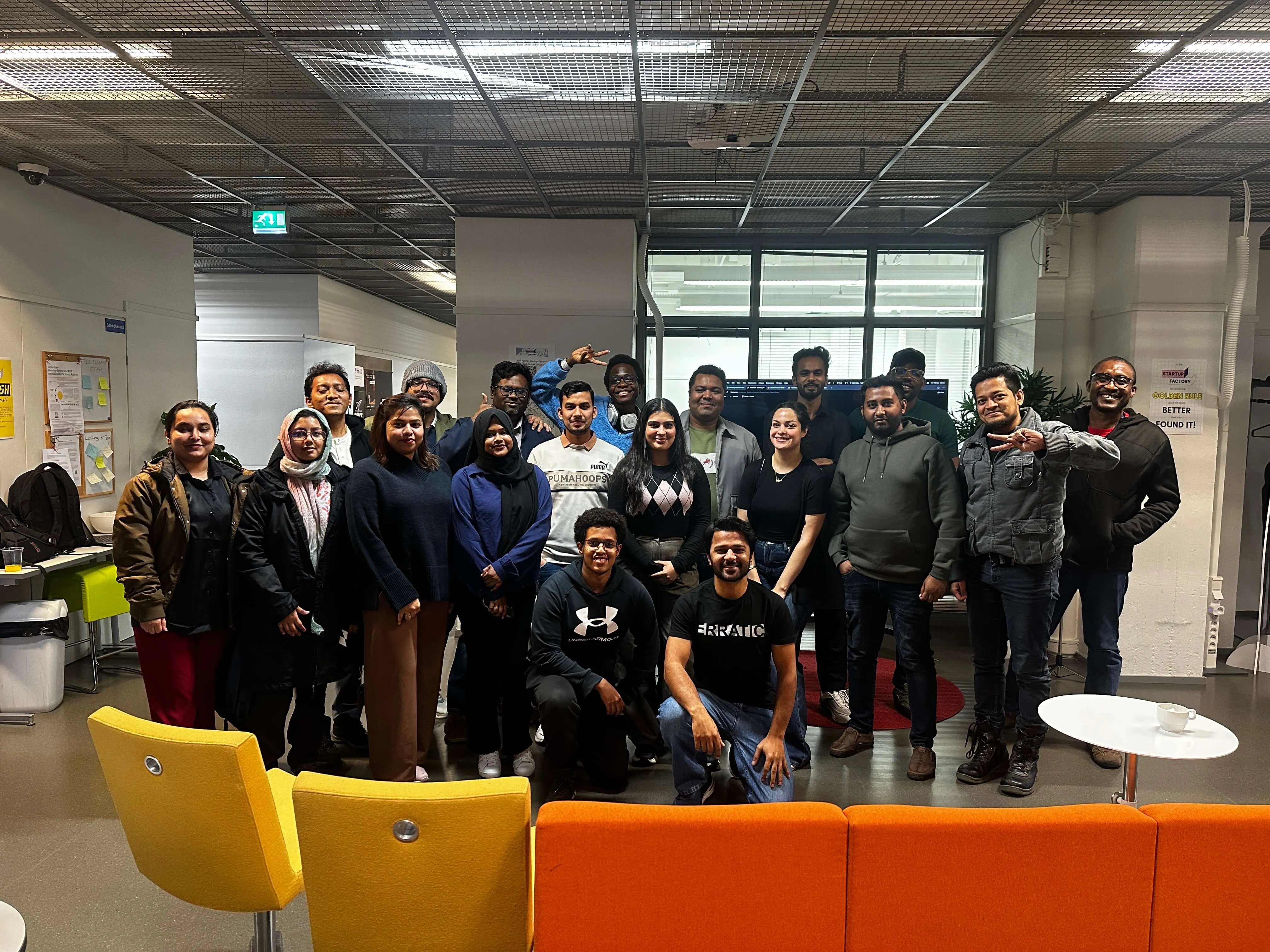
sixty three percent.
well, a little over. that’s the conversion rate i achieved as a first-time event host in a new city, in a new country. pretty impressive statistics, you’d agree with me, especially considering i was without an established reputation.
48 people registered, 38 were marked as approved and attending, and 24 showed up.
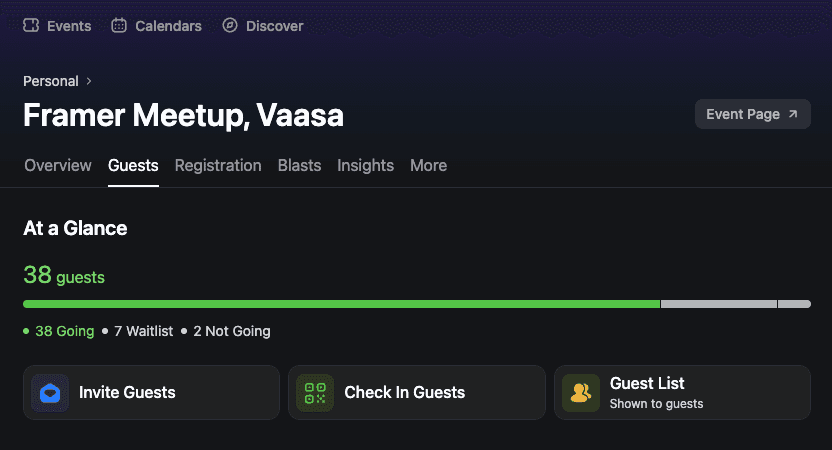
the event’s lu.ma page
if you’re wondering how i did it, you’re in luck.
here are 13 things i did before, during, and after the event. you could do them too if you want to have a successful event, even if (especially if) it’s your first rodeo.
leap before you look
the traditional advice is “look before you leap,” but i have observed that success doesn’t always respect conventions, and having a bias for action can get you farther than meticulous planning.
when framer announced framer meetups and opened the application for hosts, i applied immediately. i didn’t overthink it, didn’t ‘plan’ for it. i just did it… and here we are now.
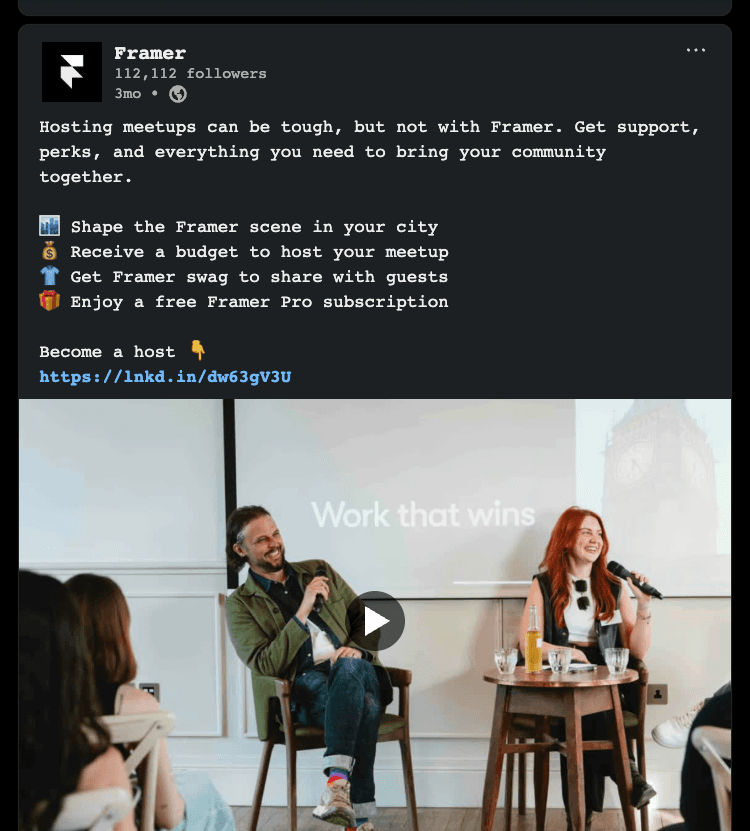
framer meetups on linkedin
if you’ve been thinking of hosting an event, you don’t need to have everything figured out. you need the will and an action-driven mindset to do what’s required of you. and if you’re reading this now, you’re halfway towards knowing what’s required of you.
define your event and your audience
mine was a framer-sponsored event, so the event and, largely, its target audience, were already defined for me. the only change i had to make of the expected crowd (designers, marketers, and startup founders) was find students who fit this bill or were curious enough to learn something that could boost their career and earning opportunities, because i lived in a city whose fifth occupants were students.
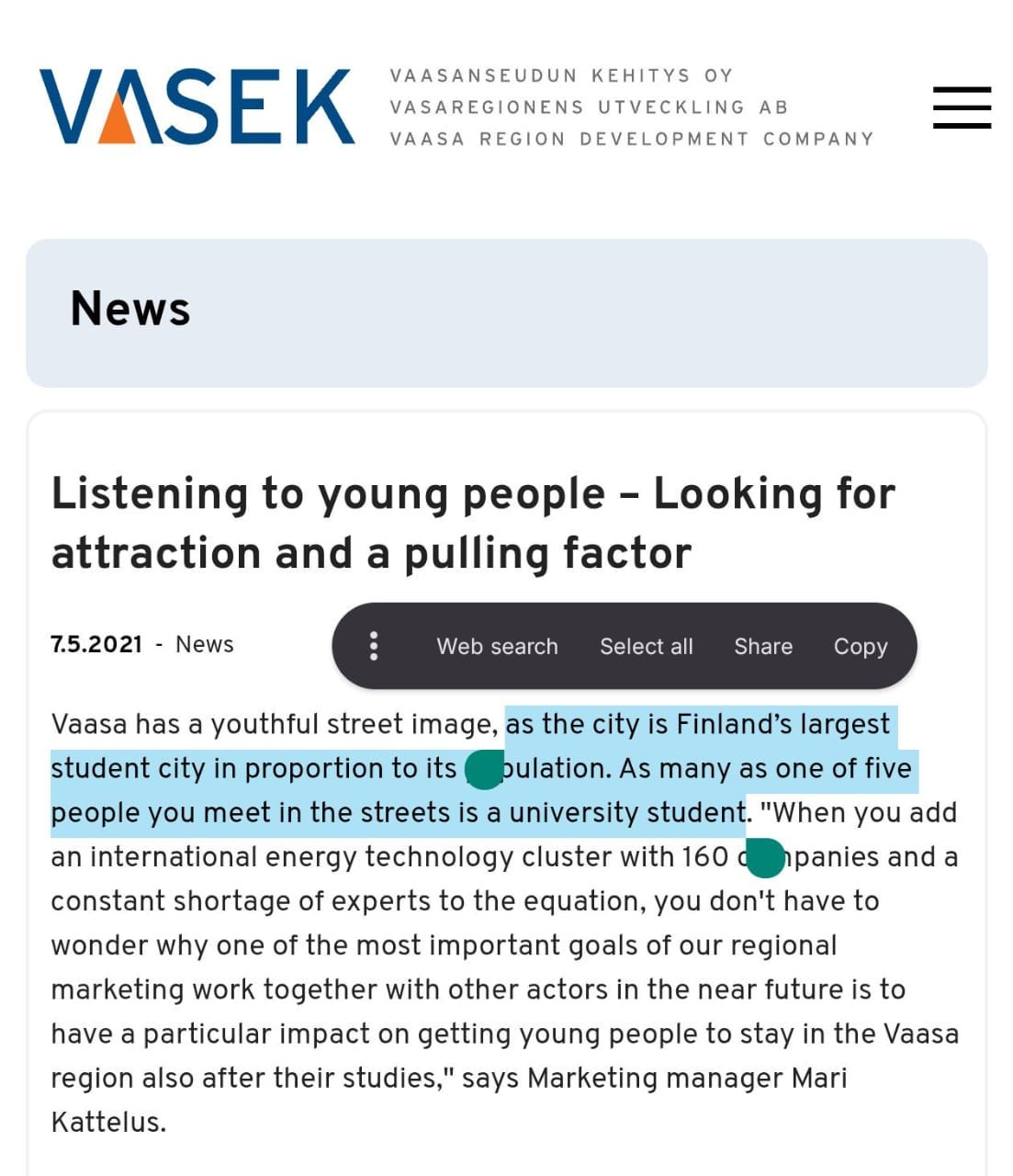
as seen in vasek.fi
you can’t market what you haven’t defined. you need to be clear on what the event is, who it’s meant for, and why it matters to them. everything else builds from there.
start early
first-time event hosts have zero trust capital. people don’t know you, the theme, or what to expect. so you need time, at least two weeks of active marketing.
that means having everything ready before you announce: title, audience analysis, venue, sponsors, and date. i didn’t have much of that figured out at first, but i learned quickly why early clarity matters. i missed an opportunity to have the event included in the city’s newsletter because they required a month’s notice.
a sponsor? great. two? magnifico!
i spotted a second sponsorship opportunity at vaasa startup factory, the venue i had in mind. they had funding open for student-focused events, so i applied and got $500 extra. that meant we had the venue, food, and printing of marketing materials sorted.
beyond the financial relief, having sponsors with existing infrastructure made execution seamless. the team didn’t have to coordinate logistics from scratch because vaasa startup factory specializes in managing startup events and communities. they already had systems in place. ordering food took less than five minutes, with most of that time spent deliberating what would accommodate everyone’s preferences and dietary requirements.
this is your cue to get a sponsor, or two. reach out to potential sponsors early and apply for every relevant program you find, even if you think you won’t get it. sponsors can support you directly or indirectly — in cash, or in kind. food and venue will probably be your biggest expenses, so having experienced partners handle these details changes everything.
market aggressively
i made a minimum of three posts on linkedin weekly, each focusing on the benefits of being part of the event or community. i created the event on facebook, posted in a couple of facebook groups (which were not approved until almost a week after the event), shared it on a not-so-popular school app used by university students, and even lobbied to get a university-wide email list across multiple universities to send to more students. it wasn’t approved until a day before the event, so i couldn’t use it since food plans were already locked in.
the lesson? cast a wide net. you don’t know which channel will work until you try them all. the event i created on facebook brought in one participant, even though it had zero engagements. i also now know which channels to prioritize next time, which leads me to my next point.
leverage an email list
whether it’s one you’ve built over time, or one you have to borrow or buy, email lists are important because they have been proven to convert better than any other acquisition or engagement channel.
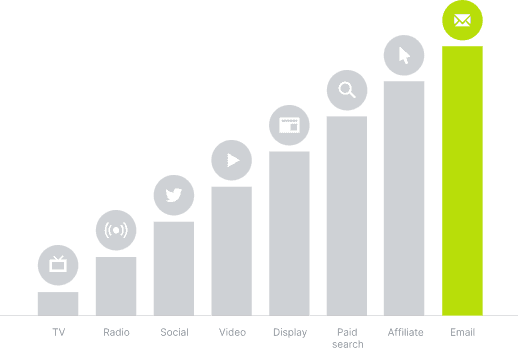
according to venturebeat, email is the channel generating the highest roi for marketers
unlike social media where you are at the mercy of an ever-changing algorithm, an email lands directly in a person’s digital home.
look out for newsletters in the domain of your event theme and with access to your target audience — local tech hubs, university departments, or community newsletters — and get them to vouch for you. when a trusted organization mentions your event in their weekly blast, you’re getting a transferred sense of trust that you haven’t earned on your own yet alongside reach.
just remember to keep it ethical. be sure to respect data privacy laws in your area, like the gdpr, because nothing kills a brand’s reputation faster than spamming people who never asked to hear from you. aim for audiences that are already primed for your topic, and the numbers will follow.
get a team
i had the opportunity to co-host the event, and it was the best decision i made. my co-host took charge of marketing activities, invited a decent number of participants, and reached out to our guest speaker who eventually ran the show. i don’t think i would have been able to do it alone.
i also solicited the support and insights of a friend and marketing expert (Frank Nneka, co-founder of media doodle). her insights were invaluable, one of which informed the decision to bring on a guest speaker. i’m glad i listened.
if you do not have relationships to leverage (like my friend and co-host), you can call for volunteers. seek out people who are as passionate as you and who can buy into the vision. might be a tough one, but the returns on investment are massive.
reach out to guest speakers
i initially wanted to do this alone, along with my co-host but after being convinced otherwise, only one person came to mind, someone i had met here during a hackathon who i believed was just as good a designer as me, or even better: Cilia Kafi. i knew from her brief cameo as a judge at the hackathon that she could run the show, and thankfully, she was affiliated with my co-host too. that made the connection easy. for a show of two hours, she ran it from the half-hour mark till the end.
guest speakers bring credibility, take pressure off you, and give attendees a reason to show up beyond just supporting you. don’t underestimate that.
use an automated event platform
five years ago, google forms would have sufficed for event sign-ups. now, they’re better suited for research. modern events demand more: attendee management, automated follow-ups, integrated feedback loops. to make google forms do all that, you’d need multiple tools stitched together and a fragile chain of automations.
lu.ma solves that elegantly, and best of all, it’s largely free. it lets you:
create and host in-person or virtual events with custom pages,
collect registrations and approve attendees,
send segmented emails (going, pending, approved, wait-list) and automate communication,
collect payments or donations for ticketed sessions,
embed or share events across linkedin, twitter, or any website,
sync multiple events with your calendar automatically,
publish a host profile showing all your past and upcoming events,
track attendance and analyze engagement metrics,
collect post-event feedback and resources in one flow,
organize recurring or community event series in one place,
and more, all without leaving the platform.
don’t make your event, and your life, harder than it needs to be.
always over-plan
we planned for 40 to 45 persons in attendance despite having just 38 registered and approved participants. i honestly thought the conversion would be lower, but looking back, i’m glad i didn’t make that mistake. running out of seats or snacks would have ruined the mood faster than a bad presentation.
and if you’re low on budget and relying on last-minute runs only when attendance turns out better, think again. not only is it physically taxing doing everything within a short period of time, it’s also not pocket-friendly.
plan for a little more than you expect, ideally 10–20% more. it’s easier to have unoccupied seats and leftovers than scrambling to accommodate people.
be social
the cost of community is stepping out of your house even when you’d rather just stay in, showing up for others in the same way you’d like to be shown up for, even if that means delaying rest or neglecting certain personal engagements.
a good number of the people who attended the event were friends i had already linked up with at previous events and supported in one way or another. i’m not one to enter an arena and not try to greet a good number of people i see there even though it doesn’t come naturally as an introvert. i’m also consistent on linkedin, posting almost daily and engaging with even more intensity. that consistency paid off because some of the people who attended knew me even though i didn’t know them.
show up to small gatherings, observe how other events are run, be the person who introduces two people at a networking session. these tiny efforts add up. you’re building the muscles you’ll need when it’s your turn to host. you can’t expect people to show up for you if you haven’t shown up for them first. community is reciprocal.
document everything
this could be in the form of mapping out strategies for marketing, guest outreach, and sponsorship or partnership. it could be your event agenda, keeping receipts during planning for reporting, preparing slides for the event, and post-event documentation like feedback forms or writing about it (like this).
i created a simple checklist for the event that helped me monitor the progress of each activity and not have to rely on a fragile brain to remember what to do every step of the way. yunno what they say,
the faintest ink is better than the strongest memory.
beyond remembering, documentation is also for learning and improving next time. for instance, i now know to start marketing efforts at least a month earlier.
feedback! feedback!! feedback!!!
this could be to attendees; appreciating them for coming, sharing event photos and videos, event resources like slides or info cards, and next steps. don’t forget to ask them what they think about the event: what went well and what could be better. ideally, you should wait a day or two till the euphoria, or frustration, dies down to get an unbiased answer.
feedback could also be to sponsors and partners, detailing the outcome of the event, highlighting the sponsorship impact, wins, failures, persons of interest, and potential follow-up strategies.
feedback closes the loop. it shows people you care about their experience and it gives you data to make your next event even better.
conclusion
hosting a successful event for the first time might seem daunting, and make no mistake, it is. but with the right information, a bias for action, and a healthy dose of audacity, you can make it happen.
i hope these 13 tips sort out the information part for you and give you the confidence to start before you’re ready. now it’s your turn — go out there and host the most amazing event ever. i’d love to hear how it goes.
and if you’ve already been in the trenches and hosted your own event, i’d love for you to share your wins or the hard-earned lessons you picked up along the way. your story might be exactly what someone else needs to hear to finally take their own leap.
reach out to me at jameschimdindu@gmail.com. i’m rooting for you.